
The Importance of Tracking Your Progress when Losing Weight

Starting a weight loss journey can feel overwhelming. Many people dive in with enthusiasm but soon lose motivation when results don’t appear as quickly as hoped. One of the most effective ways to stay on track and maintain motivation is by tracking your progress carefully. This means more than just stepping on the scales. It involves monitoring various aspects such as weight changes, body measurements, calorie intake, and food choices. Tracking progress helps you understand what works, adjust your plan when needed, and celebrate small victories along the way.
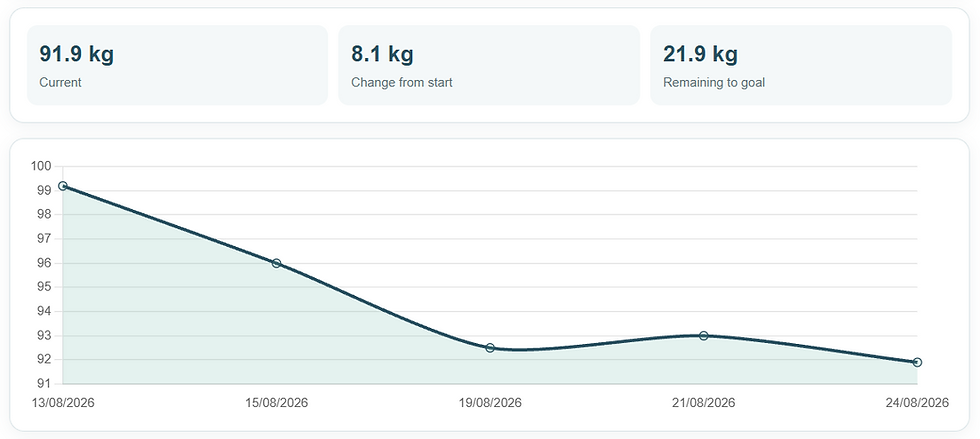
Why Tracking Progress Matters
Weight loss is not a straight path. Your body changes in different ways at different times. Sometimes the scales might not move much, but your body composition could be improving. Tracking progress gives you a clearer picture of your journey and helps you avoid discouragement.
Keeps you motivated: Seeing progress, even small changes, encourages you to keep going.
Helps identify what works: Tracking food and exercise helps you spot patterns that lead to success or setbacks.
Supports healthier habits: Being mindful of what you eat and how much you move encourages better choices.
Provides accountability: Regular tracking keeps you honest with yourself and your goals.
Tracking Weight Loss Beyond the Scales
Many people focus solely on their weight, but this is only one part of the story. Weight can fluctuate daily due to water retention, hormonal changes, or muscle gain. To get a fuller picture, consider these methods:
Body Measurements
Using a tape measure to track inches lost around your waist, hips, thighs, and arms can show progress that the scales might miss. For example, you might lose inches even if your weight stays the same because you are gaining muscle while losing fat.
Measure at the same time of day, ideally in the morning.
Use consistent landmarks (e.g., around the belly button for waist).
Record measurements weekly or biweekly.
Progress Photos
Taking photos every few weeks can help you visually track changes in your body shape. Photos can reveal subtle improvements that numbers don’t capture.
How Weight Loss Medications Fit In
Some people use medications like GLP-1 receptor agonists such as Mounjaro or Wegovy to support their weight loss. These medications can help reduce appetite and improve blood sugar control. Tracking progress is especially important when using these treatments to understand their effects and adjust lifestyle habits accordingly.
Tracking Calorie Intake and Food Choices
Weight loss depends largely on creating a calorie deficit, but not all calories are equal. Tracking what you eat helps ensure you consume the right amount and types of calories to fuel your body and lose weight healthily.
Keeping an Accurate Food Diary
Writing down everything you eat and drink gives insight into your eating habits. This includes:
Portion sizes
Meal timing
Types of foods (e.g., whole foods vs processed)
Drinks, including sugary beverages and alcohol
Using apps or simple notebooks can make this easier. Over time, you’ll notice patterns such as snacking out of boredom or eating more on stressful days.
Why Quality Matters
Focusing on nutrient-dense foods like vegetables, lean proteins, whole grains, and healthy fats supports weight loss better than simply cutting calories. Tracking helps you balance your meals and avoid nutrient deficiencies.
Adjusting Calorie Intake
Your calorie needs change as you lose weight. Tracking intake helps you adjust portions to avoid plateaus. For example, if you’re no longer losing weight, you might need to reduce calories slightly or increase activity.
Practical Tips for Effective Progress Tracking
Tracking can feel like a chore, but these tips make it manageable and useful:
Set realistic goals: Aim for steady weight loss of 0.5 to 1 kg per week.
Choose tools that suit you: Apps, online tools, spreadsheets, or paper journals all work if you use them consistently.
Track regularly but don’t obsess: Daily weigh-ins can cause stress; weekly or biweekly is often better.
Celebrate small wins: Lost an inch? Managed a healthy meal? These count.
Be honest: Record everything, even treats or missed workouts.
Review and adjust: Use your data to tweak your plan, not to punish yourself.

How Tracking Supports Long-Term Success
Weight loss is just the start. Maintaining your new weight requires ongoing attention to habits. Tracking progress helps you:
Recognise triggers for overeating or inactivity
Stay aware of portion sizes and food quality
Adjust your plan as your lifestyle changes
Keep motivated by seeing how far you’ve come
For those using medications like Wegovy or Mounjaro, tracking is vital to monitor how your body responds and to work with healthcare providers on the best approach.
Final Thoughts
Tracking your progress when losing weight is a powerful tool that goes beyond simply watching the scales. Measuring body changes, keeping a detailed food diary, and monitoring calorie intake help you understand your journey and make informed decisions. This approach supports steady, healthy weight loss and builds habits that last.
Whether you are starting your weight loss journey or you're already underway, consider tracking your progress. You can use a third party app or you can use the progress tracking tools on our website via your account area. Tracking will keep you motivated, accountable, and on the path to success. Remember, every small step counts and tracking helps you see those steps clearly.
Disclaimer: This post is for informational purposes only and does not replace professional medical advice. Consult a healthcare provider before starting any weight loss programme or medication.


Comments